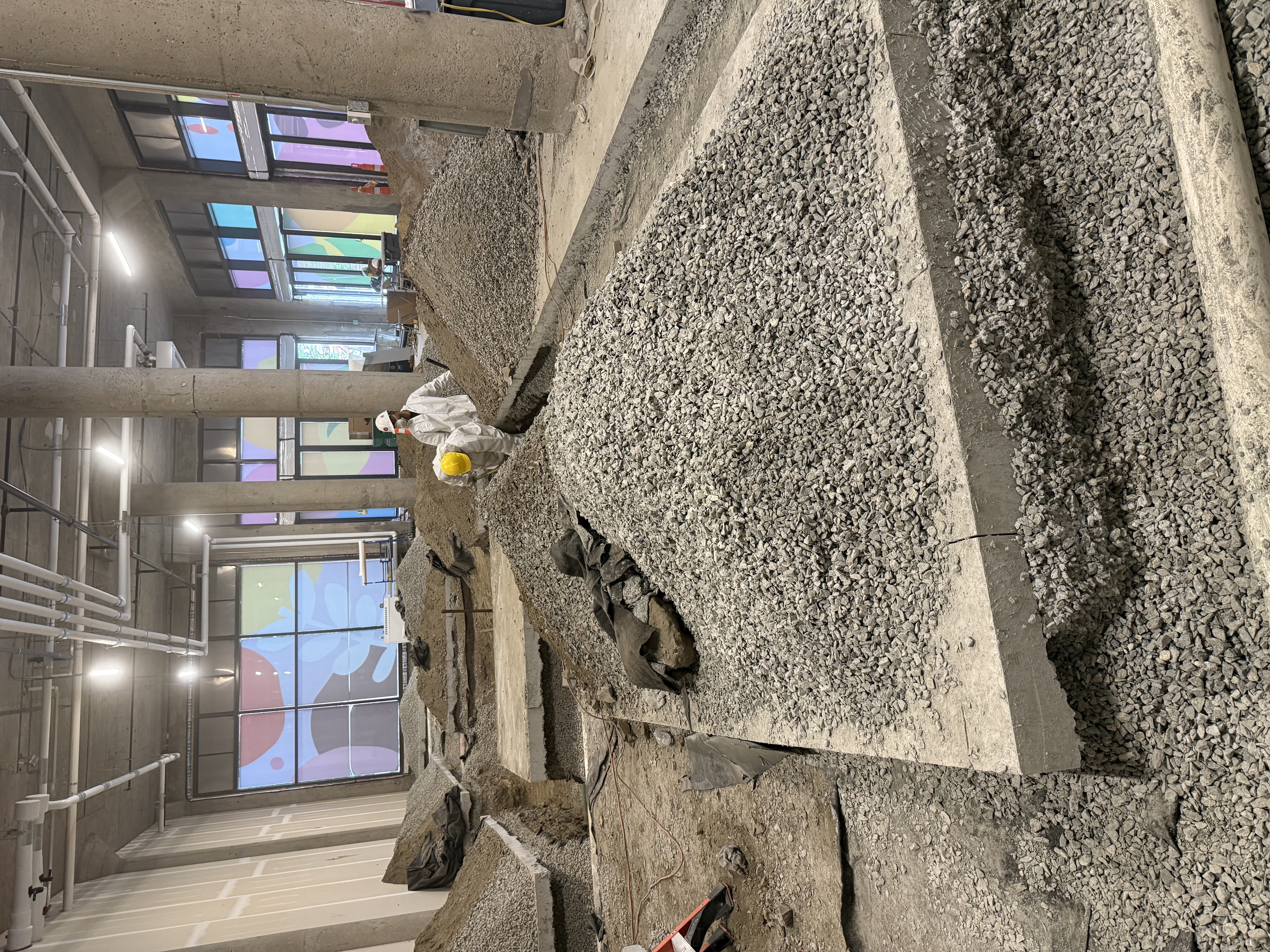
The Intersection of Demolition and Urban Planning: Insights from Quality Demo Services Jan 10, 2026
Demolition is often perceived as a destructive process, but in the realm of urban planning, it is a strategic maneuver to create spaces for contemporary buildings and infrastructure. When obsolete structures are removed, it paves the way for new developments that align with modern urban planning objectives — such as improved housing, commercial spaces, parks, and community centers. Quality Demo Services excels in providing demolition services that not only remove the old but make room for innovation and sustainability.
One crucial aspect of demolition in urban planning is its contribution to population density management. As cities grow, they face the challenge of accommodating a rising number of residents while avoiding urban sprawl. Demolition helps optimize land use by facilitating the construction of high-density housing and mixed-use developments in place of underutilized buildings. This transformation helps cities maintain manageable travel distances, reducing reliance on automotive transportation and benefiting the environment.
Safety is another area where demolition meets urban planning needs. Many old structures, especially those built before modern safety regulations, pose hazards due to structural instability or the presence of hazardous materials like asbestos. Quality Demo Services prioritizes safety, employing advanced techniques and equipment to carefully dismantle structures, ensuring safe and healthy conditions for future occupants and reducing potential risks associated with aging infrastructure.
Furthermore, demolitions are integral in heritage preservation efforts. While these two concepts might seem contradictory, quality demolition contractors work closely with urban planners and historical societies to preserve and protect significant architectural elements during a teardown. By selectively removing and salvaging components of historical value, demolition services can contribute to maintaining a city’s cultural heritage while still enabling necessary urban growth and modernization. This delicate balance between preservation and progress is crucial to maintaining the unique character of a city.
Urban planners and Quality Demo Services also collaborate to implement eco-friendly demolition practices that align with sustainable development goals. Recycling and reusing materials from deconstructed structures lessen the demand for new raw materials and minimize waste. This practice not only supports environmental conservation but also reduces overall construction costs, proving beneficial to developers and municipalities alike.
Demolition can also facilitate urban renewal initiatives, transforming blighted areas into vibrant neighborhoods. By redeveloping neglected districts, cities can address issues of urban decay, bringing them back to life with improved infrastructure and facilities. This revitalization fosters economic development, community engagement, and an enhanced quality of life for residents.
In conclusion, the relationship between demolition and urban planning is foundational to crafting cities that meet the demands of present-day living while paving the way for future advancements. Quality Demo Services plays an indispensable role in this process, offering demolition solutions that are safe, environmentally responsible, and aligned with urban development strategies. As urban landscapes continue to evolve, the synergy between skilled demolition services and proactive urban planning will remain essential to crafting thriving, sustainable cities of the future. By understanding and harnessing this intersection, stakeholders can create vibrant urban environments that serve the needs of their inhabitants while preserving the essence of the city.
/filters:no_upscale()/filters:format(webp)/media/122b91f8-aa02-4752-ade5-e576eef6e56f.jpeg)
/filters:no_upscale()/filters:format(webp)/media/bd982b18-7e26-451c-b6f5-a0b4c25fe3c9.jpeg)