Building the Future: The Impact of Demolition on Modern Architecture Jan 07, 2026
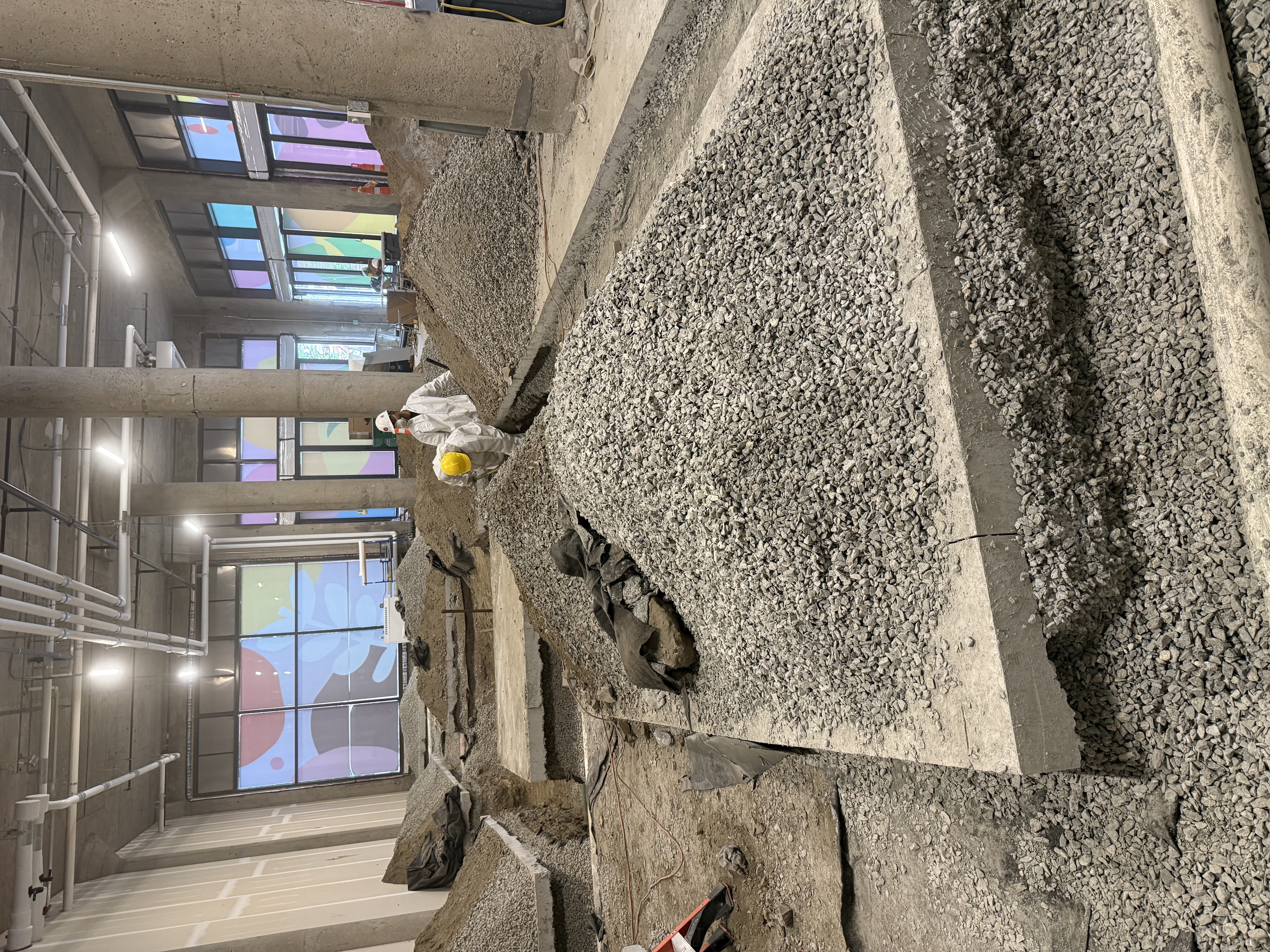
The world of architecture is one of constant transformation. To make way for new construction, old buildings must sometimes be removed—a process that requires precision and expertise. Demolition is not merely about destruction; it’s a critical stage in the lifecycle of buildings. Successful demolition sets the groundwork for creative architectural solutions, supporting urban renewal and paving pathways for state-of-the-art infrastructure.
One of the most significant impacts of demolition on modern architecture is the opportunity it provides for sustainable development. In today’s world, reducing carbon footprints is imperative. Responsible demolition contractors like Quality Demo Services focus on selective demolition and deconstruction practices that allow for the recycling and repurposing of materials. This approach significantly minimizes waste and supports the creation of eco-friendly structures, aligning with green building practices that are gaining international momentum.
Moreover, the integration of cutting-edge technology in demolition processes has redefined modern architecture. The use of advanced machinery and techniques not only ensures safety and efficiency but also enables precision that aligns with new architectural designs. Robotics, for instance, can handle delicate tasks, preserving parts of buildings that could be incorporated into new designs, thus appreciating heritage while embracing modernity.
Innovative demolition practices also contribute to urban regeneration. By clearing outdated or unsafe structures, demolition enables cities to maximize their spatial potential. This is particularly important in crowded urban centers where land is at a premium. Demolition not only frees up land for new buildings but allows architects to design with creativity, incorporating the latest trends in sustainability and technology. This revitalizes communities and boosts local economies, demonstrating that demolition is a step toward a progressive urban future.
Safety is another vital aspect where demolition plays a pivotal role. As buildings age, they can become hazardous, posing risks to the community. By removing these structures, demolition contractors safeguard public health and safety, making room for modern, safer buildings. This transition not only addresses immediate safety concerns but also opens up opportunities for architectural enhancements that incorporate improved security standards and disaster resilience.
The ultimate goal is creating spaces that are adaptable to future needs. As cities grow, the demands on our built environment increase, requiring buildings that are as flexible as they are functional. Demolition facilitates this adaptability by making way for innovative architectural feats that can accommodate evolving technological and societal changes.
In conclusion, demolition services provided by companies such as Quality Demo Services are not just about erasing the past—they are a vital step in building the future. By dismantling outdated structures responsibly and efficiently, demolition paves the way for architectural advancements that echo today’s global imperatives of sustainability, urban renewal, and technological integration.
Incorporating these principles into architectural planning creates a robust foundation for the next generation of buildings. Whether it's through sustainable practices, safety improvements, or urban revitalization, demolition is a key player in shaping a future where the built environment is both beautiful and functional. By understanding its role, we can better appreciate the innovative possibilities that lie ahead in the realm of modern architecture.
/filters:no_upscale()/filters:format(webp)/media/122b91f8-aa02-4752-ade5-e576eef6e56f.jpeg)
/filters:no_upscale()/filters:format(webp)/media/bd982b18-7e26-451c-b6f5-a0b4c25fe3c9.jpeg)